
ManitobaStartups Logo
Access Now

Small Business Startup News and Resources

Read our collection of helpful small business news, resources, and guidance documents on starting or expanding a business in Manitoba and across Canada. Learn from the latest in small business startup trends, business plan techniques, and all about government funding!

Business Advice, Funding

Manitoba Grants Guide: The Need to Know on Government Funding

As a small business owner or an entrepreneur looking to start a business in Manitoba, it’s essential to be aware of the various Manitoba small business grants available through the government.

This is a comprehensive guide detailing all you need to know about the available government grants for your small business in Manitoba.

Small business grants in Manitoba are specific, categorized, and well organized, making it easier to find and successfully apply for a business grant. It’s crucial to understand where to find information about these grants, how you can use the funds, the amount available, and the application process.

The Manitoba small business grants currently available include options such as environmental grants, agricultural grants, economic growth grants, technology advancement grants, arts industry grants, as well as grants for disabled entrepreneurs and women-owned business grant options.

Download the FREE 2024 Manitoba Grants Guide

Manitoba Small Business Grants

The Manitoba government offers a variety of small business grant programs.

These government grants typically come from local funding agencies focusing on Manitoba’s economic growth. However, many options also come from the provincial and federal governments of Canada, expanding the reach of all potentially helpful business grant options.

Types of Small Business Grants Available in Manitoba:

  • One-time and renewable business grants
  • Partial contribution grants
  • Non-repayable government grants

Read this guide to learn more about the different types of government grants your small business in Manitoba may be eligible to apply for.

In addition to small business grants, other government funding options available to Manitoba business owners include government loans, tax breaks, and tax credits.

Learn the differences between government grants and loans here.

One-time and Renewable Business Grants

These grants are provided to cover various startup or expansion expenses. The one-time grants offer a lump sum to cover significant initial expenses, while renewable grants can support ongoing costs like training and wage support.

Partial Contribution Government Grants

These grants require you to contribute a portion of the funding. The government may provide a portion of the needed funds, but you’re required to match or contribute a certain percentage.

Non-Repayable Government Grants

These grants are particularly advantageous as they don’t require repayment. However, they are typically allocated for specific business needs and must be used as intended.

All available government grants in Manitoba and across Canada can be accessed via the Funding Database. This database includes grants, loans, tax breaks, and expert assistance in finding suitable options.

Applying for Small Business Grants

To effectively apply for a small business grant from the Manitoba government or the federal government of Canada, ensure you have:

  • A comprehensive business plan
  • Financial projections
  • A PitchDeck presentation
  • Knowledge of relevant funding programs

The Funding Database includes all small business grants, government loans, and tax options. Working with a funding expert can help you navigate the numerous available options and identify the best fit for your business.

Before applying, determine how much funding you need based on your business plan and startup or expansion costs. Funding amounts can vary greatly, so it’s essential to have a clear breakdown of your expenses.

Small business grants can be used for various purposes, including hiring and training, purchasing equipment, improving cash flow, marketing, and more.

For a full list of what government grants can be used for and to understand your eligibility, download the free Manitoba grants guide below.


Download the FREE 2024 Manitoba Grants Guide

Business Advice, Business Planning

13 Profitable Home-Based Business Ideas for Manitobans

In Manitoba, there are numerous home-based business opportunities that individuals can explore, many of which require little to no initial investment. Our team has researched and compiled a list of practical and profitable home-based business ideas that are particularly relevant to Manitobans.

Discover Funding Potential for Home-Based Businesses in Manitoba

Embarking on a Home-Based Business Journey in Manitoba

When considering starting a home-based business in Manitoba, it’s important to think about your passions, the amount of time you can dedicate, and whether the business aligns with your personal and financial goals. While home-based businesses may have lower startup costs compared to traditional brick-and-mortar businesses, they require a significant commitment of time and effort to succeed.

Understanding Your Options and Making the Right Choice

Choosing the right home-based business idea involves assessing your skills, interests, and the specific market demands in Manitoba. The options are diverse, ranging from digital services to local community-focused ventures.

The Importance of a Business Plan

No matter which home-based business idea you choose, creating a comprehensive business plan is crucial. A well-thought-out plan will help you evaluate the feasibility of your business idea, estimate costs, and can be instrumental in securing funding, including potential government grants and loans available in Manitoba.

Download the Free Comprehensive Home-Based Business Guide for Manitoba

This guide is specially designed for aspiring entrepreneurs in Manitoba, offering insights and resources to help you start and grow a successful home-based business with minimal initial capital.

Business Advice, Business Planning

Human Resources and Team Building: Key to Success in Manitoba Start-Ups

In Manitoba’s diverse and evolving start-up ecosystem, the success of a venture significantly hinges on its people. Human resources and team building are crucial in driving growth, innovation, and sustainability for start-ups in this region. This article guides establishing robust HR practices and fostering strong teams, tailored to the unique business landscape of Manitoba.

The Role of Human Resources in Manitoba Start-Ups

Manitoba’s start-ups face distinct HR challenges, including limited resources and the need for rapid adaptability. Unlike larger corporations with established HR departments, Manitoba start-ups must adopt more flexible and innovative HR strategies to thrive.

Strategic Hiring in Manitoba

In a Manitoba start-up, every team member plays a pivotal role. Strategic hiring involves selecting individuals who not only possess the necessary skills but also align with the company’s vision and culture, which is often reflective of Manitoba’s diverse and community-oriented ethos. Leveraging local job platforms, Manitoba-based networking events, and social media are effective ways to attract suitable talent.

Continuous Training in a Dynamic Environment

Manitoba start-ups require ongoing training due to their rapidly changing nature. Regular training sessions, workshops, and access to learning resources are essential. Emphasizing cross-functional training helps team members adapt to various aspects of the business, an approach particularly beneficial in Manitoba’s multifaceted market.

Nurturing Talent and Employee Well-being in Manitoba

Fostering talent and ensuring employee well-being are critical in Manitoba’s start-up culture. Competitive compensation, flexible work options, and career advancement opportunities are key. Employee well-being has a direct impact on productivity and loyalty, making it a vital aspect of HR in Manitoba’s start-ups.

Government Grants and Funding in Manitoba

Manitoba offers various government grants and programs to support start-ups, often sector-specific and designed to provide financial assistance without the need for repayment. Understanding these local grants’ eligibility criteria and application processes is crucial for Manitoba entrepreneurs.

Developing a Business Idea with Minimal Investment

In Manitoba, numerous digital tools and platforms enable entrepreneurs to develop, research, and validate business ideas at minimal cost. Local online forums, free market research tools, and social media can offer insights into market needs and trends relevant to Manitoba.

Crafting a Winning Grant Proposal for Manitoba Grants

Securing government grants in Manitoba requires a well-articulated business plan that demonstrates potential impact and aligns with the grant’s objectives. Utilizing online resources and templates can aid Manitoba entrepreneurs in creating persuasive grant proposals.

Building a Digital Presence on a Budget

In today’s digital age, an online presence is crucial for Manitoba start-ups. Free website builders, social media platforms, and digital marketing tools can help establish an online footprint, crucial for attracting customers and building brand identity in Manitoba’s market.

Utilizing Free Resources for Market Research

Effective market research is essential but doesn’t have to be costly. Manitoba start-ups can utilize free resources such as online surveys, social media analytics, and public data, offering valuable insights into consumer behavior and market trends specific to Manitoba.

Networking and Community Engagement in Manitoba

Building a network is critical for start-up success in Manitoba. Engaging with local business communities in places like Winnipeg and Brandon, attending free workshops and webinars, and leveraging social media groups can provide invaluable support and potential partnerships.

Bootstrapping and Lean Startup Methodologies

Bootstrapping is a viable approach for Manitoba start-ups. Adopting lean startup methodologies, focusing on minimal viable products and iterative development, is particularly effective in Manitoba’s entrepreneurial landscape.

Starting and growing a successful business in Manitoba with minimal capital is increasingly feasible. By leveraging government grants, utilizing free resources, and adopting a strategic approach, Manitoba entrepreneurs can turn their business dreams into reality, contributing to the province’s vibrant and diverse economic fabric.

Business Advice, Business Planning

Enhancing Customer Satisfaction and Loyalty: Effective Customer Service Strategies in Manitoba

In the dynamic business landscape of Manitoba, effective customer service is crucial for cultivating customer satisfaction and loyalty. For entrepreneurs in this region, excelling in customer service is not just necessary; it’s a defining factor in standing out in a competitive market. This article explores practical strategies tailored to Manitoba’s unique business environment to enhance customer service and, consequently, customer satisfaction and loyalty.

Understanding Customer Needs in Manitoba

In Manitoba, where customer demographics and preferences can vary from urban centers like Winnipeg to rural areas, understanding customer needs is critical.

Active Listening Techniques:

  • Engage with your customers through genuine conversations, paying attention to their specific needs and preferences in Manitoba.
  • Tailor your services to suit the unique requirements of Manitobans, be it in urban or rural settings.

Utilizing Customer Feedback:

  • Gather feedback through surveys, social media interactions, or direct communication channels popular in Manitoba.
  • Analyze feedback to identify trends and address the specific pain points of Manitoban customers.

Communication and Responsiveness

Effective communication is essential in providing top-notch customer service in Manitoba.

Multi-Channel Support:

  • Ensure your business is present and active on various communication platforms preferred in Manitoba, including social media and digital channels.
  • Cater to the diverse communication needs of Manitobans, from tech-savvy urban customers to those in more remote locations.

Maintaining Responsiveness:

  • Implement systems to respond promptly to inquiries, which is especially important in Manitoba’s customer-focused business environment.
  • Train your team to provide quick and efficient responses, making every customer feel valued and heard.

Training and Empowering Your Manitoba Team

A well-trained customer service team is crucial in Manitoba’s varied market.

Comprehensive Training:

  • Conduct regular training sessions focusing on both product knowledge and soft skills like empathy and patience, essential for understanding Manitoban customers.
  • Emphasize conflict resolution skills, considering the diverse customer base in Manitoba.

Empowerment for Decision-Making:

  • Empower your customer service representatives to make certain decisions, facilitating quicker issue resolution for Manitoban customers.
  • This approach boosts team morale and enhances customer satisfaction.

Building a Customer-Centric Culture in Manitoba

Creating a culture that values customer satisfaction is vital for businesses in Manitoba.

Incentivizing Excellent Customer Service:

  • Recognize and reward employees for exceptional customer service, which is crucial in a province like Manitoba known for its friendly and community-oriented approach.
  • Implement incentives like bonuses or growth opportunities that resonate with the workforce in Manitoba.

Regular Training and Development:

  • Provide continuous learning opportunities tailored to Manitoba’s market and customer service trends.
  • Encourage participation in local workshops and seminars to stay aligned with Manitoba’s customer service standards.

Implementing effective customer service strategies is vital for businesses in Manitoba to enhance customer satisfaction and loyalty. Entrepreneurs who focus on understanding customer needs, ensuring effective communication, investing in team training, and fostering a customer-centric culture are positioning themselves for long-term success in Manitoba’s unique market. By prioritizing these aspects, businesses can build strong relationships with their customers and stand out in Manitoba’s competitive marketplace.

Business Advice, Business Planning

Funding and Investment for Start-ups in Manitoba

Securing Funding: The Lifeline for Manitoba Start-ups

In Manitoba’s unique start-up ecosystem, securing funding is more than a milestone—it’s a critical lifeline. This journey, filled with its own set of challenges and opportunities, is essential for Manitoba-based entrepreneurs. This article will navigate through the local venture capital scene, angel investment opportunities, crowdfunding avenues, and the art of bootstrapping within the Manitoba context.

Navigating the Venture Capital Landscape in Manitoba

Venture capital in Manitoba is a growing source of funding for start-ups with high potential, particularly in burgeoning sectors like agri-business, technology, and manufacturing. Manitoba’s VC firms invest in promising start-ups in exchange for equity, offering more than just capital but also mentorship and market access.

Pros:

  • Access to significant capital suited for Manitoba’s market.
  • Networking opportunities within Manitoba’s business community.
  • Enhanced credibility in local and national markets.

Cons:

  • Possible loss of some control.
  • Expectations for rapid growth within the Manitoba market.

Researching VC firms that align with your industry in Manitoba, like those focusing on agricultural technology or clean energy, is key to a fruitful partnership.

Understanding Angel Investment in Manitoba Start-ups

Angel investors in Manitoba are often successful local entrepreneurs or business leaders who offer capital, usually in return for equity. Unlike VCs, angel investors invest their personal funds and offer more than just money – their local insights and network can be invaluable.

Advantages:

  • Flexible investment terms more attuned to Manitoba’s market.
  • Personal mentorship from experienced Manitoba-based businesspeople.
  • Focus on sustainable growth, suitable for the Manitoba business environment.

Challenges:

  • Smaller funding amounts.
  • Potential for less structured business guidance.

Networking within local Manitoba business circles, like Winnipeg’s Chamber of Commerce events, is crucial for connecting with potential angel investors.

Leveraging Crowdfunding in Manitoba

Crowdfunding is increasingly popular in Manitoba, offering start-ups a way to raise funds directly from the public. This method is particularly effective for consumer-focused products and services that resonate with Manitobans.

Types of Crowdfunding:

  • Reward-based: Backers receive a product or service in return.
  • Equity-based: Investors get a stake in your company.

Strategies for Success:

  • Craft a story that connects with Manitobans’ values and interests.
  • Use local platforms and social media to reach a wider Manitoba audience.

The Art of Self-Funding in Manitoba: Bootstrapping Your Start-up

Bootstrapping is a viable and respected approach in Manitoba’s entrepreneurial scene. It involves starting and growing your business using personal funds or revenue generated by the business.

Benefits:

  • Full control and ownership within Manitoba’s market.
  • Encourages resourcefulness and cost-effective strategies.

Risks:

  • Limited resources can mean slower growth, particularly in Manitoba’s smaller market.
  • Personal financial risk.

Choosing the Right Path for Your Manitoba Vision

For Manitoba entrepreneurs, selecting the right funding path depends on the business model, market, and personal aspirations. Whether through venture capital, angel investment, crowdfunding, or bootstrapping, each option offers unique opportunities and challenges within the Manitoba context. The journey of funding your start-up is crucial—embrace it with diligence and optimism, as it opens the path to success in Manitoba’s diverse and evolving business landscape.

Business Advice

The Importance of Market Research in Manitoba’s Business Landscape

Embracing Local Trends and Needs

Manitoba’s market is characterized by its own set of trends and consumer preferences. For example, in areas like Winnipeg, there might be a growing demand for tech-based solutions, while in rural areas, products and services catering to agricultural efficiency might be more relevant. Understanding and embracing these local trends is crucial for product relevance and customer appeal in Manitoba.

Localizing Your Approach:

  • Tailor your marketing strategies to resonate with the distinct communities within Manitoba.
  • Consider localization strategies, such as bilingual product offerings, to cater to Manitoba’s Francophone community.

Leveraging Manitoba’s Economic Sectors

Manitoba’s economy is diversified, including strong sectors like agriculture, manufacturing, and services. Entrepreneurs can leverage these sectors by offering products or services that address the unique challenges and opportunities within these industries.

Feedback and Iteration in Manitoba’s Market (Continued)

Building a Responsive Feedback Loop

Creating a responsive feedback loop is critical in Manitoba, where customer preferences can vary significantly across different regions. Engaging with your customer base through community events, local surveys, and online platforms can provide valuable insights into their experiences and expectations.

Iterative Development Based on Local Feedback

Adopting an iterative development approach based on feedback from Manitoban customers can greatly enhance product or service fit. This might involve adapting features to better suit the needs of Manitobans or tweaking your service model to better align with local business rhythms.

Mastering Market Research for Manitoba’s Unique Landscape

Conducting thorough market research is indispensable for entrepreneurs aiming to succeed in Manitoba’s distinctive market. This involves a deep understanding of local demographics, a keen analysis of the competitive landscape, and the flexibility to adapt to Manitoba-specific trends and feedback. By embracing market research as a continuous, dialogue-driven process, entrepreneurs can craft strategies and offerings that not only meet but exceed the expectations of Manitoban customers.

In Manitoba’s ever-evolving market, those who dedicate time and resources to understanding and responding to local dynamics are the ones who stand out. They are the entrepreneurs who not only recognize the present market landscape but are also adept at anticipating future shifts, guiding their businesses with insight and adaptability.

As you navigate your entrepreneurial path in Manitoba, let comprehensive market research be your compass. It’s your tool for navigating the complexities of the market, ensuring that your venture is not just surviving but thriving in the competitive and diverse world of Manitoba’s business.

Funding

Achieving a Startup in 2024

The entrepreneurial landscape in 2024 is a dynamic and rapidly evolving arena, brimming with opportunities yet fraught with challenges. Innovators and visionaries are finding new avenues to disrupt traditional markets, while technological advancements continue to reshape the business world. This comprehensive guide is designed to steer aspiring entrepreneurs through the intricate process of launching a successful startup in today’s fast-paced environment.

Ideation and Conceptualization

Finding Your Niche: In the saturated market of 2024, carving out a unique niche is more critical than ever. It involves a deep dive into market gaps, emerging trends, and unmet consumer needs. The goal is to identify an area where your business can not only survive but thrive. Validating Your Business Idea: Before investing resources, it’s crucial to validate your business concept. This can be achieved through comprehensive market research, engaging with potential customers, and testing the idea with minimum viable products (MVPs).

Market Research and Analysis

Understanding Your Audience: Success in 2024 hinges on an intimate understanding of your target market. Detailed demographic studies, consumer behavior analysis, and engagement metrics are indispensable tools for gaining insights into your audience’s needs and preferences. Analyzing Competitors: A thorough analysis of your competitors provides a blueprint of what works and what doesn’t in your industry. This step is vital to position your startup in a way that capitalizes on competitors’ weaknesses and leverages your unique selling propositions.

Business Planning and Strategy

Crafting a Business Plan: A well-thought-out business plan is your roadmap to entrepreneurial success. It should detail your business model, market analysis, operational strategies, and financial forecasts, providing a clear vision of your business’s path forward. Setting Realistic Goals and Milestones: Establishing clear, achievable goals and milestones is essential for tracking your startup’s progress. This approach helps maintain focus and provides a framework for making informed decisions.

Financial Planning for Startups

Budgeting and Funding Options: Effective budgeting and exploring diverse funding options, including angel investors, venture capital, and crowdfunding, are fundamental for a startup’s financial health. Startups must also be adept at managing their burn rate to prolong their runway. Managing Cash Flow: Robust cash flow management is crucial in navigating the early stages of a startup. This involves careful monitoring of expenses, timely invoicing, and maintaining adequate cash reserves.

Seeking Investments and Grants

Pitching to Investors: Crafting a compelling pitch that highlights the uniqueness, scalability, and profitability of your business idea is key to attracting investors. This requires a clear articulation of your vision, market potential, and revenue model. Exploring Government Grants and Incentives: Startups should explore government grants and incentives designed to support innovation and entrepreneurship. These can provide much-needed funding without the need for equity dilution.

Legal Considerations and Compliance

Choosing the Right Business Structure: Deciding on the appropriate legal structure for your startup is a foundational decision. This choice affects tax obligations, fundraising capabilities, and the level of personal liability. Licensing and Permits: Compliance with legal requirements, including obtaining necessary licenses and permits, is critical to avoid costly legal challenges and ensure smooth operations.

Intellectual Property and Legal Protection

Patenting and Trademarks: Protecting your intellectual property is paramount in safeguarding your business ideas and brand identity. This involves securing patents, trademarks, and copyrights where applicable. Legal Contracts and Agreements: Drafting clear and enforceable legal contracts and agreements is vital in managing relationships with partners, employees, and customers, and in protecting your business interests.

Building a Strong Brand and Online Presence

Brand Identity and Messaging: In the digital age, a strong brand identity and coherent messaging resonate with your target audience and differentiate your startup from competitors. This encompasses your logo, brand colors, and the tone of your communications. Digital Marketing Strategies: A robust digital marketing strategy, utilizing SEO, content marketing, and digital advertising, is indispensable in building an online presence and reaching a wider audience in 2024.

Leveraging Social Media

Engaging with Your Audience: Social media platforms are powerful tools for engaging directly with your audience. Regular, authentic engagement helps build a loyal community around your brand. Social Media Marketing Tactics: Effective social media marketing tactics, such as influencer partnerships, targeted ads, and viral content, can significantly enhance your brand’s visibility and appeal to a broader demographic.

Product Development and Service Delivery

Designing and Testing Your Product: The design and development phase should prioritize user experience and functionality. Rigorous testing ensures that your product or service meets market standards and customer expectations. Ensuring Quality and Customer Satisfaction: High-quality products and exceptional customer service are the cornerstones of customer satisfaction, leading to repeat business and positive word-of-mouth.

Utilizing Technology and Innovation

Embracing Digital Transformation: Leveraging the latest technologies, such as AI, blockchain, and IoT, can streamline operations, enhance customer experiences, and give your startup a competitive edge. Innovative Tools and Resources: Utilizing cutting-edge tools and resources optimizes productivity and efficiency, enabling your startup to stay agile and responsive to market changes.

Sales and Customer Relations

Effective Sales Techniques: Developing and implementing effective sales strategies are essential for driving revenue and growth. This includes understanding customer pain points, offering tailored solutions, and creating compelling sales pitches. Building Long-Term Customer Relationships: Establishing and nurturing long-term relationships with customers is key to sustaining business growth. This involves consistent communication, exceeding customer expectations, and providing value beyond the initial sale.

Feedback and Continuous Improvement

Utilizing Customer Feedback: Actively seeking and incorporating customer feedback is crucial for continuous improvement. This feedback loop can drive innovation and ensure your product or service remains relevant and high-quality. Iterative Development and Innovation: Adopting an iterative approach to product development encourages constant refinement and adaptation, keeping your startup at the forefront of industry trends and customer needs.

Scaling Your Startup

Expansion Strategies: As your startup grows, consider strategies for expansion, such as exploring new markets, diversifying product offerings, or forming strategic partnerships. Sustainable Growth Practices: Focus on sustainable growth practices that balance short-term gains with long-term viability. This includes responsible scaling, maintaining company culture, and adhering to ethical business practices.

The Path Forward for Startups in 2024

Navigating the startup landscape in 2024 demands resilience, adaptability, and a forward-thinking mindset. By embracing these strategies, entrepreneurs can position their startups for success amidst the challenges and opportunities of the modern business world.

Business Advice

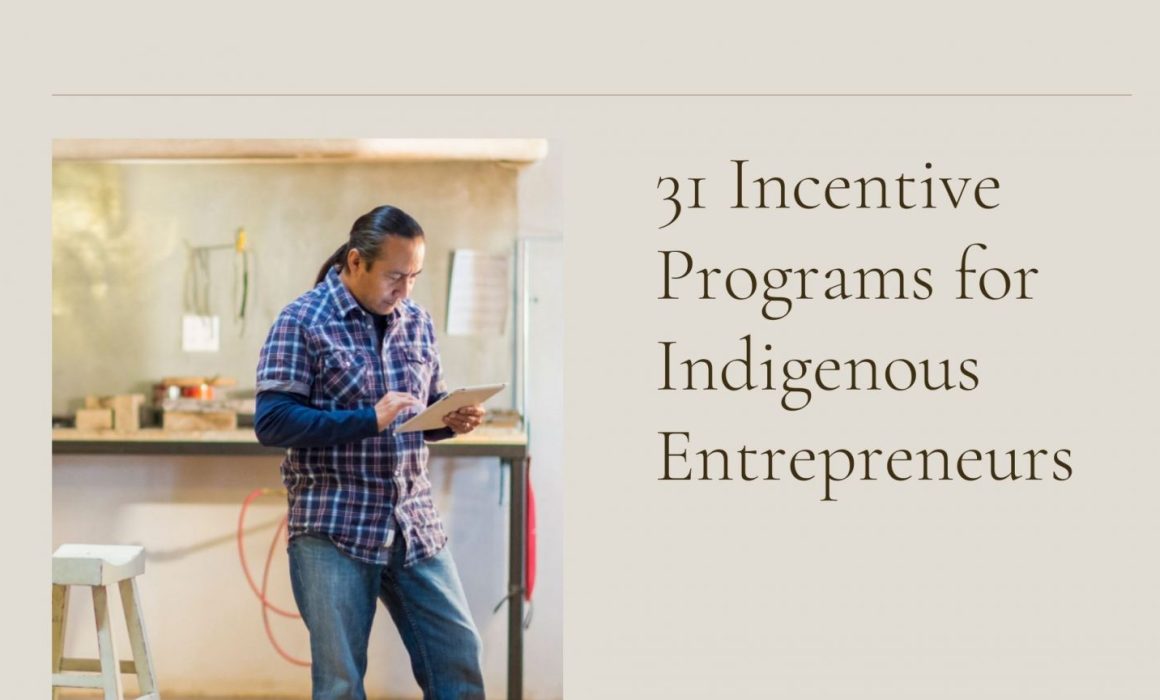
31 Incentive Programs for Indigenous Entrepreneurs in Manitoba

In 2024, Manitoba presents a diverse array of funding opportunities tailored to Indigenous entrepreneurs, including those from Metis and First Nations communities. These programs encompass a wide spectrum of objectives, such as supporting Indigenous youth and women and encouraging cooperative projects. Many of these incentives are designed to be stackable, allowing entrepreneurs to maximize benefits by combining different funding sources. They address various business needs, covering operating costs, capital expenditures, and microloans for craft supplies, ensuring there is a suitable program for every business requirement.

2024 Small Business Indigenous Funding Incentives in Manitoba

Indigenous entrepreneurs in Manitoba can access a variety of financing programs provided by the Canadian government, offering significant benefits like non-repayable funding and compatibility with provincial funding.

Notable Business Incentives for Aboriginal Entrepreneurs in 2024

  • Government of Canada, Indigenous Services Canada – Relief Measures for Indigenous Businesses: Offers interest-free loans and non-repayable contributions to support Inuit, First Nations, and Metis businesses impacted by COVID-19.
  • Manitoba Indigenous Business Development Corporation – Business Loans: Provides a range of business loans to entrepreneurs in Manitoba for starting, expanding, or purchasing a business.
  • Manitoba Indigenous Cultural Education Centre (MICEC) – Various Programs: Includes emergency loans, business stabilization, recovery funds, and professional services relief grants for Aboriginal businesses.
  • Southern Chiefs’ Organization (SCO) – Financing Programs: Features general loans, express financing, and start-up financing for First Nations entrepreneurs in the SCO service area.
  • Manitoba Metis Federation – Micro Loan Program: Available to members of the Metis community, offering funding assistance for documented Aboriginal entrepreneurs.
  • Winnipeg Arts Council – Indigenous Arts Projects: An annual grant program for Indigenous collectives, artists, and organizations in Winnipeg to enhance Indigenous arts creation and presentation.
  • Indian Agricultural Program of Manitoba (IAPM) – Various Financing Options: Offers business financing and farm and business loans to First Nations businesses and entrepreneurs in Manitoba.
  • Manitoba Arts Council – Indigenous Visual Artists’ Materials: Supports Indigenous artists in Manitoba working in visual arts, crafts, or traditional Indigenous art forms.
  • AgriDiversity Program – Agriculture and Agri-Food Canada: Provides non-repayable contributions to under-represented groups in Canadian agriculture, including Indigenous entrepreneurs.

Grants for Aboriginal Businesses from the Federal Government

  • Crown-Indigenous Relations and Northern Affairs Canada Aboriginal Business and Entrepreneurship Development (ABED): Aids Indigenous entrepreneurs with capital for various business activities, including marketing and expansion.
  • Canadian Agricultural Partnership Indigenous Agriculture and Food Systems Initiative: Helps Indigenous communities in developing agriculture and food system projects, enhancing capacity in the agri-food sector.

Business Loans for Aboriginal Entrepreneurs

  • Business Development Bank of Canada (BDC) Indigenous Entrepreneur Program: BDC’s program, with its enhanced financing options and favorable terms, reflects an understanding of the unique challenges faced by Indigenous businesses. This program provides a critical financial boost, helping Indigenous entrepreneurs across Canada, including Manitoba, to scale their businesses.

Internship Subsidy for Aboriginal Youth

  • Canada Mortgage and Housing Corporation Housing Internship Initiative: Provides a wage subsidy for First Nations and Inuit organizations offering on-the-job training and work experience to Indigenous youth.

Manitoba Aboriginal Business Incentives

Provincial funding sources for Indigenous-owned businesses in Manitoba complement federal programs. These Manitoba-specific grants and loans offer customized support for Indigenous entrepreneurs, with some programs focused on certain regions within the province.

Manitoba Aboriginal Business Grants

  • Manitoba Indigenous Economic Development Fund (IEDF) – Aboriginal Business Financing Program (ABFP): Provides funding to Indigenous entrepreneurs in Manitoba for marketing efforts and business growth.

Manitoba Aboriginal Business Loans and Financing

  • Manitoba First Peoples Economic Growth Fund Inc. Programs: Offers various loan programs and strategic planning support for entrepreneurs, including Business Enhancement Loan, Helping Hand Loan, Women in Business Loan, and Youth in Business Loan.
  • Manitoba Metis Federation Economic Development Fund – Loan Programs: Provides financing options to support Metis businesses in Manitoba, including specific financing for
  • seasonal projects.
  • Metis Economic Development Organization (MEDO) Financing Solutions: Offers a variety of financial solutions for Metis-owned businesses in Manitoba, supporting their development and growth.

In 2024, Manitoba’s Indigenous entrepreneurs are presented with a rich tapestry of funding opportunities designed to stimulate business development and growth. These programs collectively offer a comprehensive suite of options for Indigenous entrepreneurs in Manitoba, addressing a wide range of business needs from startup capital to expansion funds. This diversity of funding sources empowers Indigenous business owners to not only sustain their enterprises but also to innovate and grow, significantly contributing to the economic landscape of Manitoba.

Business Advice

80 Funding Opportunities for Artists in Manitoba in 2024

In 2024, Manitoba presents a comprehensive array of funding opportunities for artists, spanning diverse disciplines. These funding mechanisms, predominantly grants, are augmented by various tax credits, offering substantial financial support to aid artists in realizing their creative ambitions. The breadth of these programs ensures that artists of all disciplines, from digital gaming to music to literature, can find relevant financial resources.

Detailed Overview of Manitoba-Based Funding Programs for Artists in 2024

Manitoba Arts Council – Development Stream for Film: Supports the different stages of film production in Manitoba, offering essential aid to producers.

Manitoba Arts Council – Marketing and Distribution Initiative for Film: Geared towards Manitoba film producers, this initiative assists in the marketing and distribution of film projects.

Manitoba Book Awards: Recognizes the diversity and quality of writing in Manitoba, promoting literary excellence.

Winnipeg Arts Council – Historic Sites Animation: Provides funding for artists to animate or reinterpret selected historic sites in Winnipeg, bridging art with heritage.

Winnipeg Arts Council – Artists In Libraries: Offers grants for artist residencies in selected Winnipeg Public Library branches, enhancing community arts engagement.

Winnipeg Arts Council – Community Arts Support: Backs ongoing arts projects by non-profit organizations within Winnipeg’s diverse neighborhoods.

Winnipeg Arts Council – Dance Funding: Allocates funds for dance productions, creations, and projects, fostering professional dance growth in Winnipeg.

Winnipeg Arts Council – Indigenous Arts Projects: Supports Indigenous art creation and presentation in Winnipeg through annual grants for Indigenous artists and collectives.

Winnipeg Arts Council – Literary Arts Support: Aids literary projects, including production and presentation, to enrich Winnipeg’s literary scene.

Winnipeg Arts Council – Newcomer and Refugee Arts Engagement: Funds projects that involve newcomers and refugees in the arts, promoting inclusivity and integration.

Winnipeg Arts Council – Innovative Arts Projects: Grants for groundbreaking projects with the potential to transform the arts sector.

Winnipeg Arts Council – Theatre Project Funding: Provides financial support for professional theatre projects in Winnipeg.

Winnipeg Arts Council – Visual and Media Arts Projects: Offers funding for contemporary media and visual arts projects in Winnipeg.

Manitoba Arts Council: Hosts a variety of grant programs for different artistic disciplines, benefiting both individuals and organizations.

Manitoba Artist Tax Credits in 2024

Manitoba Book Publishing Tax Credit: A refundable tax credit for eligible expenses by Manitoba book publishing firms, promoting literary works.

Manitoba Film & Television Tax Credit: Provides refundable credits based on labor expenses for film and television production companies in Manitoba.

Manitoba Production Services Tax Credit: A refundable credit for production expenses by eligible corporations for film or television productions in Manitoba.

Manitoba Computer Animation & Special Effects Tax Credit: Offers an 18% refundable tax credit for qualified labor expenses related to computer animation and special effects.

Manitoba Interactive Digital Media Tax Credit: A tax credit for Manitoba-based companies creating interactive digital products, covering 40% of eligible expenses.

In 2024, Manitoba’s funding landscape for artists is extensive and robust, supporting a wide range of artistic endeavors. From film and literature to dance and digital arts, these programs and tax incentives provide crucial backing to artists and organizations at different stages of their creative journeys. Manitoba’s artists are encouraged to explore these opportunities to find support that aligns with their creative projects and professional goals, thereby enhancing the province’s artistic vibrancy and diversity.

Business Planning, Funding

Starting a Business with Little to $0: Leveraging Free Government Grants

In the entrepreneurial world of 2024, starting a business with minimal financial resources has become increasingly viable, thanks in large part to free government grants and a plethora of accessible resources. This article delves into the practical steps of launching a startup with little to no initial investment, focusing on leveraging free government grants and other cost-effective strategies.

Understanding Free Government Grants for Startups

Government grants present a golden opportunity for aspiring entrepreneurs. These grants, often sector-specific, provide financial assistance without the burden of repayment, making them an ideal resource for startups. Key to leveraging these grants is understanding eligibility criteria and application processes.

Developing a Business Idea with Zero Investment

Starting a business begins with a solid idea. In today’s digital age, numerous tools and platforms enable entrepreneurs to brainstorm, research, and validate business ideas at no cost. Utilizing online forums, free market research tools, and social media can provide invaluable insights into market needs and trends.

Crafting a Winning Grant Proposal

Securing a government grant requires a compelling proposal. This involves articulating your business idea clearly, demonstrating its potential impact, and aligning it with the grant’s objectives. Free online resources and templates can guide the structuring of a persuasive proposal.

Building a Digital Presence on a Budget

In the era of digital dominance, an online presence is crucial. Thankfully, this doesn’t require significant investment. Free website builders, social media platforms, and digital marketing tools can help establish an online footprint, attract customers, and build brand identity.

Utilizing Free Resources for Market Research

Market research is essential, but it doesn’t have to be expensive. Numerous free resources are available for conducting effective market research. These include online surveys, social media analytics, and public data from government websites, offering valuable insights into consumer behavior and market trends.

Networking and Community Engagement

Building a network is a critical, cost-free strategy for startup success. Engaging with local business communities, attending free workshops and webinars, and leveraging social media groups can provide support, advice, and potential partnerships.

Bootstrapping and Lean Startup Methodologies

Bootstrapping, or self-funding your startup, is a viable approach when starting with minimal resources. Adopting lean startup methodologies—focusing on minimal viable products and iterative development—can maximize efficiency and minimize unnecessary expenditures.

Utilizing Technology and Automation Tools

Technology is a boon for cash-strapped startups. Free or low-cost automation tools and software can increase efficiency and productivity, allowing entrepreneurs to focus on core business activities without the need for a large team or significant capital.

Conclusion: The Path to Startup Success with Minimal Capital

Starting a business in 2024 with little to no capital is not only possible but increasingly common. By leveraging free government grants, utilizing a plethora of available free resources, and adopting a lean and strategic approach, entrepreneurs can turn their business dreams into reality.

1 2 13 14 15 16 17 22 23
Privacy Settings
We use cookies to enhance your experience while using our website. If you are using our Services via a browser you can restrict, block or remove cookies through your web browser settings. We also use content and scripts from third parties that may use tracking technologies. You can selectively provide your consent below to allow such third party embeds. For complete information about the cookies we use, data we collect and how we process them, please check our Privacy Policy
Youtube
Consent to display content from - Youtube
Vimeo
Consent to display content from - Vimeo
Google Maps
Consent to display content from - Google
Spotify
Consent to display content from - Spotify
Sound Cloud
Consent to display content from - Sound
ACCESS NOW